Bathroom Dash 2
Reviews
Bathroom Dash 2 works best as a quick break game. The three modes—hard, invisible, and dark—each shift the challenge from planning to memory to direction sense, which gives the simple bathroom objective surprising variety. The timer keeps every decision meaningful, and the colorful stickman style keeps the experience readable even in low-visibility stages. Players who enjoy bite-sized puzzles with increasing difficulty will find a lot to like, though those who prefer relaxed, untimed play may find the pressure less appealing.
Description
Core Objective and Time Pressure
Every level in Bathroom Dash 2 asks the same basic question: can you get the stickman to the bathroom before the clock hits zero? The route is rarely a straight line. Obstacles block the way, wrong turns cost seconds, and the timer keeps running while you think. That combination turns each stage into a small decision-making exercise rather than a simple reflex test. You need to read the layout, commit to a path, and adjust when something unexpected appears.
Three Modes, Three Kinds of Uncertainty
The game splits its challenge across three distinct modes. Hard levels present complex puzzles with visible obstacles, so the difficulty comes from planning the correct sequence of moves. Invisible levels hide the path entirely, forcing you to remember where safe ground was on previous attempts. Dark levels limit visibility, so you rely on direction and feel rather than sight. Each mode changes what you pay attention to, which keeps the same bathroom objective from feeling repetitive across stages.
Controls and Moment-to-Moment Play
On both desktop and mobile, you use a mouse or touch screen to guide the stickman. A tap or click makes him move forward, jump over obstacles, or interact with objects in the environment. The controls are intentionally simple, but the timing of each input matters. Jump too early and you land on an obstacle; wait too long and the timer punishes you. This makes the game easy to start but difficult to finish cleanly, especially in later stages where multiple hazards appear in quick succession.
Visual Style and Accessibility
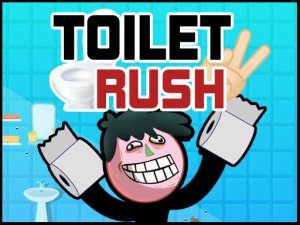
The stickman graphics are colorful and clear, which helps in modes where visibility is already limited. Because the character and obstacles are easy to distinguish, new players can focus on learning the level layout instead of fighting the camera or visual noise. The game is designed for short sessions, so you can attempt a few levels during a break and still make progress. That pick-up-and-play structure suits players who want a puzzle challenge without a long commitment.




Editorial Notes