Pin Escape 3D Puzzle

Reviews
Pin Escape 3D Puzzle strips the puzzle genre down to one decision: which pin to pull next. Because there is no timer, the pressure comes entirely from the consequences of a wrong order, and the game is honest about that. Levers, barriers, and hazard zones give each level a distinct shape rather than just adding more pins. The main limitation is that the appeal depends on enjoying slow deduction; anyone wanting action or scoring will find it too quiet.
Description
What You Actually Do
Pin Escape 3D Puzzle is built around a single repeated action: tapping or clicking a pin to remove it. That simplicity hides the real work, which happens before you touch anything. Pins sit on paths, and pulling one can shift the position of others. A pin you free early might slide directly into a trap, while waiting one move longer sends it safely past. The game gives you no timer, so the challenge is entirely about reading the board correctly.
Reading the Board
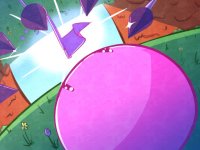
Every level is a fixed arrangement of pins, barriers, levers, and hazardous zones. Nothing moves until you act, which means you can study the layout for as long as you like. The useful skill is tracing each pin's likely route after a removal and checking whether that route crosses anything dangerous. Levers and barriers exist to redirect pins, so they are tools rather than decoration. [IMG_1] Later levels combine these elements, and the correct sequence becomes less obvious because one pin's path depends on two or three earlier removals.
Why It Stays Calm
There are no time limits, no scores to beat, and no penalty for pausing to think. That design choice shapes the whole experience: mistakes cost you a retry, not a ranking. The clean 3D presentation keeps paths and obstacles visually distinct, which matters when a level has several overlapping routes. Players who enjoy step-by-step deduction, and who prefer thinking over reacting, are the natural audience here.
Compatibility
Faq
Does Pin Escape 3D Puzzle have a time limit on any level?
What happens if I remove a pin in the wrong order?
Do levers and barriers work differently from each other?
Is Pin Escape 3D Puzzle suitable for children?
How does the difficulty change as I progress?
What controls does the game use?
Games You Might Enjoy

Naruto Flip Journey Arcade

Jelly Creatures Match3 Puzzle

Merge Critter Gold Rush

Flappy Bird Sky Arcade

Jirai Style Dress Up Game
Mini Switcher Plus Gravity Puzzle

Motorbike Racing Adventure Challenge

Jewel Cluster Puzzle

Supermarket Mania Journey: Time Management

Editorial Notes