Parking Speed Challenge 3D
Reviews
Parking Speed Challenge 3D delivers exactly what its name suggests: timed parking tasks in a bright 3D setting. The core loop of steering into a spot before the clock runs out is easy to grasp, and the progressive difficulty—smaller, trickier spots—keeps it from feeling repetitive. Its simple on-screen controls suit casual players and younger audiences. The main limitation is a lack of depth beyond the time challenge, but for short breaks or skill sharpening, it works well.
Description
Time-Based Parking Mechanics
Each level in Parking Speed Challenge 3D hands you a car, a designated parking spot, and a countdown timer. The objective is straightforward: steer the vehicle into the spot before time expires. The timer pressures you to act quickly, but accuracy matters just as much—hitting obstacles or other cars lowers your score. This balance between speed and precision defines every attempt.
Progressive Difficulty and Level Design
As you complete levels, the parking spots become smaller and more complex. Early stages offer generous space, but later ones demand sharper control and faster reactions. The gradual increase in difficulty helps players build skills over time without feeling overwhelmed. Each new layout introduces fresh spatial challenges, keeping the game engaging for short sessions.
Controls and Accessibility
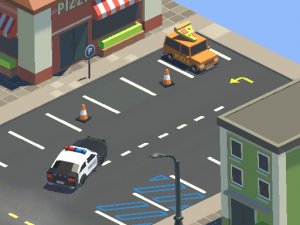
On-screen controls handle steering and acceleration, making the game easy to pick up. The interface is responsive, so inputs translate directly into car movement. Because the controls are simple, players of all ages can start immediately. The bright 3D graphics clearly show parking spots and obstacles, reducing confusion during timed runs.
Practical Tips for Better Parking
Regular practice helps you learn how the car responds to steering and braking. Memorizing each parking area's layout lets you anticipate obstacles before they appear. Adjust your approach based on the spot's size—tighter spaces require slower, more deliberate turns. Staying calm prevents panicked overcorrections that cost valuable seconds.










Editorial Notes