Gem Recall Memory Challenge
Reviews
Gem Recall Memory Challenge keeps its scope narrow: watch a gem sequence, then repeat it in order. That simplicity is its main strength for players who want a low-pressure focus exercise without timers or complex rules. The WebGL build and touch support make it easy to pick up on a phone, tablet, or desktop. Its main limitation is variety, since the input does not describe additional modes or mechanics beyond sequence recall.
Description
What You Actually Do
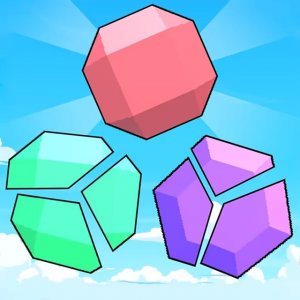
Each round shows a series of gems appearing one after another on the playing field. Once the sequence finishes, you click or tap the gems in the exact order they were displayed. A progress indicator at the top of the screen fills with every correct selection. Fill it completely and the round is won. Selecting a gem out of order does not count toward progress, so the game rewards watching closely rather than clicking quickly.
Where the Challenge Comes From
The difficulty is entirely memory-based. There are no timers described, no penalties for pausing to think, and no complex controls to learn. What makes a round harder is the length and order of the sequence itself. Because the game is rated for ages 3 and up and built as a gentle puzzle, the pressure comes from recall accuracy, not speed or reflexes. That makes it approachable for young players and still mentally engaging for adults who want a short focus exercise.
How It Runs on Different Devices
Gem Recall Memory Challenge uses WebGL, so it runs in modern browsers on PCs, phones, and tablets without a separate download. Full-screen support is included, which helps reduce distractions when you are concentrating on a sequence. The input method is mouse or touch, so the same point-and-click approach works whether you are at a desk or holding a phone. This cross-device consistency means progress and play feel the same across screen sizes.
A Practical Way to Play
Because the core loop is short, the game fits naturally into brief breaks. You can play a round in a few minutes, close the tab, and return later without needing to remember a story or manage resources. If you want to improve, say the sequence silently as it appears, then repeat it once before clicking. Playing in a quiet room reduces the chance of losing your place. The game is designed for that kind of low-pressure, repeatable focus practice.







Editorial Notes