Happy Farm Land Simulator
Reviews
Happy Farm Land Simulator combines crop growing with a small storefront, so every harvest has a clear purpose: stock the counter and serve customers. The loop of planting, harvesting, delivering, and selling is easy to understand, and keyboard controls keep it accessible. Progression through land and facility upgrades gives structure without stress. Its family-friendly design and lack of violence make it a comfortable pick for younger players or anyone seeking a relaxed management game. The main limitation is that the described scope is modest—this is a simple, cheerful simulation rather than a deep farming empire builder.
Description
Core Farming and Store Loop
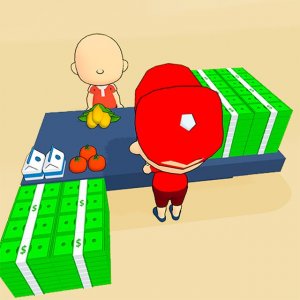
Happy Farm Land Simulator centers on a repeating cycle: prepare planting beds, sow seeds for crops like wheat and corn, wait for growth, then harvest. The harvested produce is not just inventory—it must be carried to a counter where customers arrive to buy it. You operate a cash register to complete each sale. That combination of growing and selling is the game's defining structure, linking agricultural work directly to business results.
Expanding Your Operation
Earnings from store sales are reinvested into the farm. Players can unlock new plots of land and add facilities such as a chicken coop for eggs. Upgrading existing beds and coops increases what the farm can produce. This progression is gradual and tied to how efficiently you manage the plant-harvest-deliver-sell cycle, so expansion reflects your own pacing rather than a fixed schedule.
Controls and Accessibility
Movement and interactions use straightforward keyboard keys. There is no complex control scheme to learn, which keeps the focus on timing and task management. The game is explicitly designed to be family-friendly, with colorful graphics and no violence or inappropriate content, making it suitable for children and adults alike.
Managing Time and Demand
Because multiple tasks compete for your attention—planting, harvesting, transporting goods, and staffing the register—efficiency matters. Keeping the store stocked and responding to customer demand helps maintain income. The challenge is gentle rather than punishing, but players who plan their movements and prioritize upgrades tend to see faster farm growth.










Editorial Notes