Mario Spring Adventure

Reviews
Mario Spring Adventure targets players who want a low-pressure platformer they can open in a browser without installing anything. Its strengths are the spring-themed level variety, simple keyboard or mouse controls, and a difficulty curve that starts easy before asking for more precise movement. The reward system and changing layouts support replay. The main limitation is that it stays within familiar platformer territory rather than offering deep mechanical surprises.
Description
Spring-Themed Stage Design
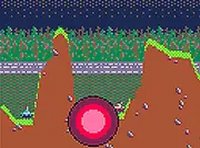
Each level in Mario Spring Adventure uses the spring season as its visual and structural anchor. Gentle obstacles and collectible items are placed to reward careful movement rather than speed alone. Layouts shift between stages, so the pace changes instead of repeating one rhythm. That variety is what keeps repeat sessions from feeling identical.
Controls and Core Loop
Players use keyboard or mouse inputs to move the character, interact with the environment, and respond to on-screen events. A control guide appears at the start, and checking it is worthwhile because each action maps to a specific level task. The main goal is to reach the end of a stage while collecting items and avoiding hazards. Pausing is available at any time, though staying focused helps on tighter sections.
Difficulty Curve and Replay
Early levels exist to let players practice basic movement and build confidence. Later sections combine positioning, timing, and route choices, so a failed attempt usually points to a specific decision worth changing. Because layouts and obstacles vary, each run offers a chance to find new paths or hidden items. A reward system tracks completed goals and personal bests, giving structure to repeated attempts.
Platform and Session Fit
The game runs directly in a web browser with no installation, and it is optimized for both desktop and mobile browsers. That makes it easy to fit into short breaks or longer play periods. Customization options let players adjust parts of the experience to their preferences, while the platform genre's familiar stage types keep the learning curve approachable for newcomers and genre fans alike.








Editorial Notes