Shape Path Puzzle
Reviews
Shape Path Puzzle does one thing and does it without clutter: hold to charge a jump, release to travel, and find the single correct route through each geometric maze. The instant reset removes friction from failure, which suits short sessions and repeated attempts. Its minimalist look keeps focus on timing and layout, though players seeking variety in mechanics or visual feedback may find the formula narrow. It rewards observation and patience more than reflexes.
Description
Hold-and-Release Jumping
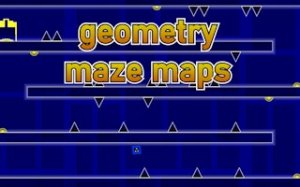
Shape Path Puzzle strips its controls down to one input: hold a mouse click or tap to charge a jump, then release to send the marker forward. The longer the hold, the farther the marker travels. That single rule governs every level, so the challenge comes from judging distance and timing rather than memorizing button combinations. Because the marker's trajectory is fixed once released, each attempt is a small commitment. [IMG_1]
One Route, Immediate Reset
Every maze contains a single correct path. Obstacles block the way, and hitting one resets the level without delay. There are no loading screens or menus between attempts, which keeps the pace brisk. The instant restart is the game's main teaching tool: a failed jump immediately shows what went wrong, so players adjust their hold length and try again within seconds. [IMG_2]
How Difficulty Builds
Early mazes introduce the jump mechanic in open, forgiving spaces. As players advance, new obstacle patterns appear, and later levels combine multiple jump types with tighter corridors. That progression demands more observation before each move, since a single mistimed release can end an attempt. The curve stays gradual, layering new demands on skills the player has already practiced rather than introducing unrelated mechanics.
Minimalist Visual Design
The playing field uses clean lines and basic shapes with simple, consistent colors. Nothing animates or flashes for decoration, which keeps attention on the maze layout and the marker's position. This restraint matters for a timing game: when the only feedback is the marker's movement and the level reset, players can read the board at a glance and focus on the next jump.





Editorial Notes