Camp Commander: Team Tactics
Reviews
Camp Commander: Team Tactics offers a streamlined strategy experience where base building and unit training meet light tactical combat. The touch controls and player-paced progression make it approachable for casual players, while the need to adapt to enemy tactics provides depth. The ability to pilot a tank adds a hands-on twist. It may appeal to those who enjoy management without overwhelming complexity.
Description
Choosing Sides and Early Management
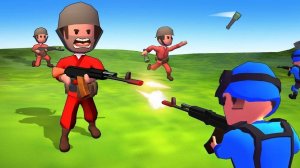
Camp Commander: Team Tactics begins with players selecting a side, each distinguished by a unique color scheme. The starting camp is basic, containing only essential structures. Initial tasks involve directing workers to collect nearby materials. These resources are critical for constructing new buildings and upgrading existing ones. The interface relies on simple touch controls, making it straightforward to assign tasks and monitor progress without complex menus.
Balancing Resources and Expansion
Maintaining a steady flow of materials and fuel is central to any successful operation. Players must balance gathering with construction. Upgrading storage facilities increases stockpile capacity, which supports larger building projects. Research stations can be built to unlock improved versions of structures and units. The pace of development is player-controlled, allowing for either a relaxed or more focused approach depending on preference.
Training Infantry and Vehicles
Two main unit categories can be produced: ground troops and mechanical vehicles. Barracks train infantry squads, while a workshop assembles tanks and support vehicles. Infantry are versatile and can navigate varied terrain. Vehicles offer heavier firepower and protection. Players decide the right mix for their strategy, weighing the strengths of each type against the demands of the battlefield.
Moving and Engaging on the Map
Once a force is assembled, players move units by selecting them and tapping destinations. The map reveals enemy positions gradually. Players can choose to attack enemy structures or set up defensive lines. An option exists to personally pilot a tank, giving direct control during key moments. This adds a layer of hands-on involvement to the broader tactical planning.
Adapting to Opponent Tactics
Success depends on reading the opponent's actions and adjusting accordingly. If the enemy focuses on vehicles, producing more anti-armor infantry can turn the tide. If they rush with many troops, defensive structures and well-placed vehicles can hold the line. Experimenting with different unit combinations and upgrade paths keeps each playthrough fresh. The game rewards thoughtful planning and flexible thinking.




Editorial Notes