Hue Harmony Reflex
Reviews
Hue Harmony Reflex strips the color-matching idea down to one input and one fail state, which makes it easy to understand and hard to master. The randomized sequences and endless structure give it strong replay value for short sessions. Its main limitation is variety: the mechanic never changes, so players who want new rules or modes may lose interest. Best suited to casual players who enjoy chasing personal high scores.
Description
Matching Under Pressure
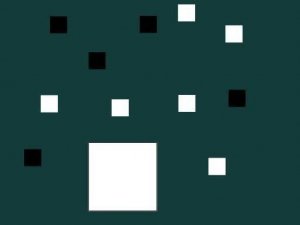
Hue Harmony Reflex places a single large square at the center of the screen. Smaller colored squares drift toward it from multiple directions. Your only control is a tap or click that cycles the central square through a fixed set of colors. The goal is simple: set your square to the same color as the incoming block before contact. A correct match merges the block and adds points. A mismatch triggers a collision and ends the session immediately. There are no power-ups, no lives, and no second chances within a run.
How Difficulty Rises
Early rounds give you generous time to read the incoming color and tap through the cycle. As your score climbs, blocks arrive more often and from several angles at once. Later stages force you to track one block while anticipating the color of the next. The cycle order stays consistent, so the challenge comes from speed and multitasking rather than new rules. This gradual ramp rewards focus and short practice sessions more than raw reaction time alone.
Clarity as a Design Choice
Every square uses a bright, distinct color with clear outlines against a neutral background. That contrast matters because the entire game depends on split-second color recognition. The palette stays varied but family-friendly, and the layout avoids visual clutter. Nothing on screen competes with the blocks you need to read. [IMG_1]
Endless Format and Replay
Color sequences are randomized each run, so no two sessions unfold the same way. There are no levels or fixed endpoint. You keep playing until a mismatch ends the run, then try to beat your previous high score. That structure fits both short breaks and longer sessions, and it gives the game a personal challenge loop rather than a campaign to complete.


Editorial Notes