Target Kick Football
Reviews
Target Kick Football strips the sport down to one repeatable action: aim, set power, and kick. Static targets build basic accuracy, while moving targets add timing pressure and force you to lead your shots. Immediate landing feedback and a center-focused scoring system make improvement easy to read. The lack of upgrades keeps attention on skill, which suits players who prefer practice over progression systems, though anyone wanting team play or match simulation will find the scope narrow.
Description
Kicking Mechanics and Immediate Feedback
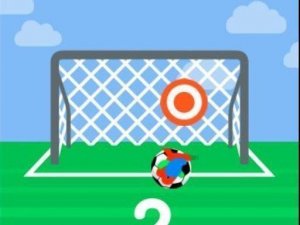
Every attempt in Target Kick Football starts with a single decision: where to aim and how much power to apply. Using a mouse or finger, you set the direction and strength of the kick, then tap or click to launch the ball. The game immediately shows where the ball landed relative to the target, so you can connect cause and effect without reading instructions. This feedback loop is the core of the experience—it tells you whether your angle was off, your power was too high, or both.
Static and Moving Target Types
Targets vary in ways that change how you approach each kick. Stationary targets let you focus purely on aim and power, making them a reliable starting point. Moving targets cross the screen and require you to anticipate their path and lead the shot. As you progress, targets can appear at different distances or speeds, so the same kick that worked earlier may need adjustment. This variety prevents rounds from feeling identical and keeps the challenge aligned with your growing skill.
Scoring and Gradual Skill Development
The scoring system rewards shots that hit the center of the target, giving you a clear goal beyond simply making contact. There are no upgrades or unlockable items to manage; progress comes from refining your sense of angle and force through repetition. Beginners can start with static targets, while moving targets add a timing element that encourages thinking ahead. Higher scores reflect better accuracy, so the score itself becomes a measure of improvement.
Session Length and Visual Clarity
Rounds are short enough to fit into a few minutes, which suits quick breaks, but the progressive difficulty and target variety also support longer sessions. Bright, uncluttered graphics keep the ball, target, and landing indicator easy to see, and smooth animations make the ball's flight path readable. That clarity matters most when tracking moving targets, where a split-second read of the ball's path helps you adjust your next kick.






Editorial Notes