Fortress Guardian Strategy

Reviews
Fortress Guardian Strategy offers a welcoming take on tower defense. Its bright art and friendly characters make it approachable, while the currency system forces meaningful choices between barriers, helpers, and stronghold upgrades. The gradual difficulty curve and emphasis on observing intruder paths give it depth without requiring fast reflexes. Best suited to players who enjoy methodical problem-solving over reactive gameplay. The loop of build, defend, and upgrade provides a satisfying rhythm, though the game's reliance on a single core mechanic may limit long-term variety.
Description
Defending the Central Stronghold
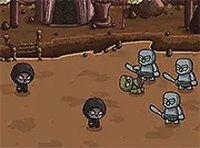
Fortress Guardian Strategy centers on a single objective: keep a central stronghold intact against waves of cheerful intruders. Players place barriers along approach paths and deploy helpers at key moments. Each successful defense earns in-game currency, which feeds back into the same loop—build, defend, upgrade, repeat. The rhythm is deliberate rather than frantic, rewarding players who plan ahead instead of reacting on impulse.
Currency and Upgrade Decisions
Currency arrives only after intruders are repelled, so every purchase carries weight. Players choose between stronger barriers, additional helpers, or direct upgrades to the stronghold itself. Overspending on one category leaves the fortress exposed elsewhere, and the game gradually introduces new intruder patterns that punish lopsided investments. The result is a continuous prioritization exercise rather than a simple build-and-watch experience.
Reading Intruder Behavior
Intruders do not follow identical routes. Observing which paths they prefer and where they cluster allows for more efficient barrier placement. This layer of analysis adds depth without demanding fast reflexes, making the game a fit for players who enjoy thoughtful problem-solving. Adjusting defenses mid-wave becomes a core skill, not an afterthought.
Visual Style and Difficulty Curve
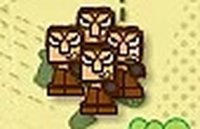
The game uses bright landscapes and friendly character designs, avoiding harsh themes. Early levels teach basic mechanics at a gentle pace. Later stages introduce more complex layouts and intruder patterns that require adaptability. This gradual increase ensures that newcomers and experienced strategy players can both find an appropriate challenge without feeling overwhelmed.








Editorial Notes