Pixel Quest: Labyrinth Runner
Reviews
Pixel Quest: Labyrinth Runner delivers a focused solo experience built around finding keys and dodging enemies in increasingly complex mazes. Its gradual difficulty ramp and emphasis on learning patrol routes make it well-suited for players who enjoy methodical puzzle-solving. The pixel-art presentation and chiptune soundtrack reinforce the retro arcade feel. The main limitation is the lack of specified multiplayer or platform details, but for fans of classic maze challenges, the core loop offers solid replay value.
Description
Navigating the Labyrinth
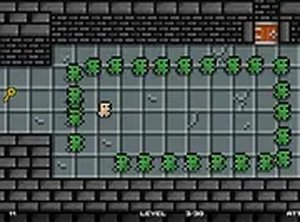
Every stage in Pixel Quest: Labyrinth Runner drops you into a maze filled with barriers and moving adversaries. Your objective is straightforward: locate concealed keys that open the exit. What makes this challenging is that enemies patrol specific routes, and traps activate in set zones. Rushing usually leads to a reset, so the game rewards players who pause, observe patrol patterns, and map out a safe path before moving.
Difficulty That Builds Gradually
The labyrinths grow more complex as you advance. Early stages introduce basic navigation and simple enemy movements, giving you room to learn the core loop. Later stages layer in new trap patterns and tighter enemy placements that demand precise timing and memory of previous attempts. The ramp is steady, so each victory feels earned rather than lucky. This structure keeps the experience engaging without tipping into frustration.
Pixel Art and Chiptune Atmosphere
The pixel-art style recalls classic arcade cabinets, with vibrant colors and clear sprite work that make obstacles and keys easy to spot. The soundtrack uses chiptune melodies that intensify during key moments, adding a sense of urgency. Sound effects give immediate feedback for actions like collecting items or triggering traps, helping you learn from mistakes without needing to check a menu.
Strategy Over Speed
Success depends on learning enemy patrol routes and trap activation zones. Walls and corners become tools for evading threats, and patience often beats speed. The game encourages trial and error, since each attempt builds knowledge of the maze layout. Taking breaks between attempts can help maintain focus, especially on later stages where a single misstep sends you back to the start.
Replay Value and Progression
With numerous stages to conquer, Pixel Quest: Labyrinth Runner offers substantial content for solo players. Some versions may include online leaderboards, allowing players to compare completion times. The satisfaction of mastering a difficult maze provides strong motivation to revisit earlier levels for better performance.










Editorial Notes