Kogama Star Chase 3D
Reviews
Kogama Star Chase 3D stands out for its inviting visual style and emphasis on teamwork. The platforming is solid, with levels that gradually teach players to judge distances and find hidden paths. The ability to invite friends turns a simple collect-a-thon into a social puzzle. Controls are responsive, and the lack of timers reduces frustration. It is an excellent choice for casual gamers looking for a low-pressure, cooperative experience that still offers a satisfying challenge in later stages.
Description
Core Objective and Level Flow
In Kogama Star Chase 3D, the primary goal is to locate and collect a specific number of glowing stars spread across each stage. These stars are not always placed in plain sight. Some sit on elevated platforms requiring precise jumps, while others are tucked behind obstacles or around corners. Reaching the required star count unlocks the next area, creating a steady progression through increasingly complex environments. The game does not use a timer, allowing players to move at their own pace and plan their route carefully.
Visual Style and World Design
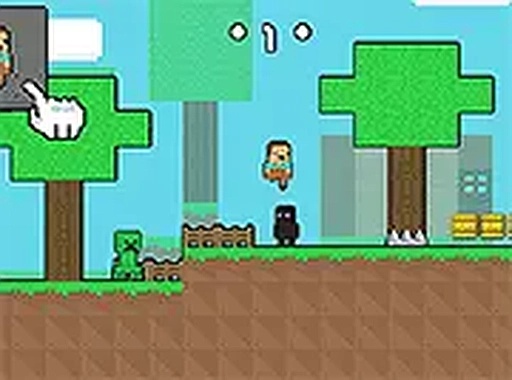
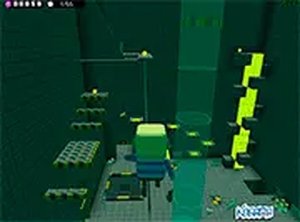
The game presents a vibrant, blocky aesthetic similar to popular sandbox titles. Each level features distinct color palettes and structural themes, from floating islands to indoor mazes. The bright visuals help distinguish platforms from background elements, making navigation clearer. The 3D perspective gives depth to the environment, so judging distances for jumps becomes a key part of the challenge. The overall look is cheerful and inviting, suitable for a wide range of ages.
Controls and Player Interaction
Kogama Star Chase 3D uses standard keyboard and mouse inputs. The keyboard handles movement and jumping, while the mouse can adjust the camera angle for a better view of the surroundings. This control scheme is intuitive for anyone familiar with basic computer games. The game also supports full-screen mode, which removes browser distractions and helps players focus on the platforming action. For those playing with friends, coordination becomes important as you can split up to search different areas or help each other reach high platforms.
Social Play and Teamwork
A notable feature is the ability to invite friends to join the same session. This turns the star-hunting experience into a cooperative activity. Instead of competing, players work together to cover more ground and share discoveries. If one player finds a tricky path, they can guide others. This social element adds replay value, as exploring with different groups can lead to new strategies and hidden locations. The game is designed for desktop use, so voice chat or messaging apps can complement the in-game teamwork.
Progression and Difficulty Curve
Early stages serve as a tutorial, introducing basic movement and star placement. As players advance, levels become more intricate. Platforms may move, gaps widen, and stars are placed in more concealed spots. This gradual increase in difficulty ensures that players build their skills naturally. There are no abrupt difficulty spikes, but later stages do require careful timing and spatial awareness. The game rewards patience and observation over speed, making it accessible to casual players while still offering a challenge for those seeking mastery.