Kogama Star Chase 3D
Reviews
Kogama Star Chase 3D offers a patient, exploration-focused platforming experience. The blocky 3D world makes distance judgment a real skill, and the lack of a timer lets players plan routes without pressure. Cooperative play adds a social layer, as friends can split up or assist with tough jumps. The gradual difficulty curve suits casual players, though later stages demand solid spatial awareness. Best for those who enjoy collecting and coordinating with others.
Description
Star-Hunting Objectives and Level Flow
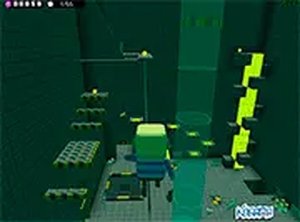
Each stage in Kogama Star Chase 3D asks you to find and collect a specific number of glowing stars. They are not always in plain sight. Some rest on elevated platforms that demand precise jumps, while others sit behind obstacles or around corners. Once you gather the required stars, the next area opens. There is no timer, so you can move at your own pace and plan a route instead of rushing.
Blocky Visuals and Spatial Challenges
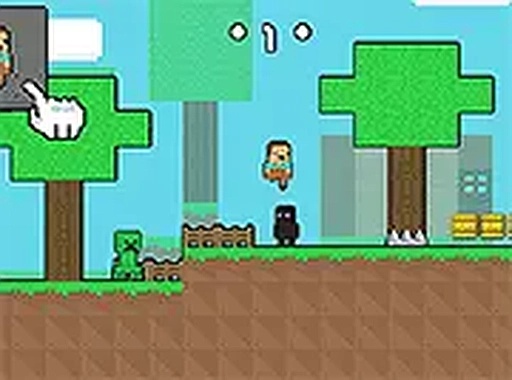
The game uses a vibrant, blocky look similar to sandbox titles. Every level has its own color palette and structural theme, from floating islands to indoor mazes. Bright colors help separate platforms from the background, which makes navigation clearer. Because the world is fully 3D, judging distances for jumps becomes a core part of the challenge.
Controls and Cooperative Play
Standard keyboard and mouse controls handle movement, jumping, and camera angle. The scheme is intuitive for anyone familiar with basic computer games. Full-screen mode removes browser distractions. You can also invite friends into the same session, turning the star hunt into a cooperative activity. Splitting up to search different areas or helping each other reach high platforms often works better than competing.
Progression and Difficulty Curve
Early stages act as a tutorial, introducing basic movement and simple star placement. Later levels grow more intricate: platforms may move, gaps widen, and stars appear in more concealed spots. The difficulty rises gradually, so skills build naturally. There are no abrupt spikes, but later stages require careful timing and spatial awareness. Patience and observation matter more than speed.






Editorial Notes