Tommy and the Flame Path Runner
Reviews
Tommy and the Flame Path Runner delivers a straightforward endless runner experience: guide Tommy past obstacles while a playful flame wave chases from behind. The tap and swipe controls are easy to pick up, and the steadily rising speed offers a gentle difficulty curve. Randomized obstacles add replay value, though the core loop remains simple. It is best suited for players seeking casual, stress-free runs rather than deep progression or complex mechanics.
Description
Outrunning the Flame
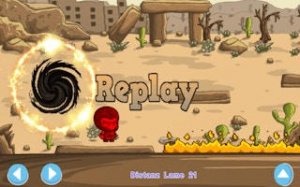
Tommy and the Flame Path Runner casts players as Tommy, a young explorer who dashes through bright, cheerful landscapes. The goal is simple: run as far as possible without letting a playful flame wave catch up. That flame follows Tommy's path at a steady pace that gradually increases, so every second counts. Each session presents a unique arrangement of obstacles, keeping runs unpredictable and encouraging repeated attempts to beat personal records.
Controls and Moment-to-Moment Decisions
Players use tap or swipe controls to make Tommy jump over small obstacles, slide under low barriers, or switch lanes to avoid blocks. Timing is critical—hitting an obstacle slows Tommy down and allows the flame to close the gap. The game speed gently rises as you progress, demanding sharper reflexes. Planning ahead by watching the path lets you anticipate upcoming obstacles and choose the right action before it's too late.
Visual Style and Session Length
Bright, colorful visuals create a welcoming atmosphere suitable for players of all ages. The endless runner format supports both quick breaks and longer attempts, with no complex rules to learn. Randomized obstacles keep each run fresh, and the gradually increasing speed offers a gentle challenge that tests reflexes without becoming overwhelming.
Approaches to Improve Your Runs
Regular practice helps you learn obstacle patterns and sharpen your reflexes. Focus on precise timing for jumps and slides to avoid losing speed. Scanning the path ahead lets you plan moves in advance. Staying calm and maintaining a steady rhythm reduces mistakes. Setting small score goals can track improvement, and taking breaks when frustrated keeps the experience positive.




Editorial Notes