Paw Patrol Puzzle Adventure
Reviews
Paw Patrol Puzzle Adventure keeps things simple: pick a colorful cartoon scene, then drag scattered pieces back into place. The adjustable piece count is the smartest part, letting a preschooler start easy while an older sibling chooses a tougher split. There is no timer or score pressure, so it works well as a calm solo activity. The main limitation is variety—once the available images are solved, replay value depends on new scenes being added.
Description
Piece-Together Play
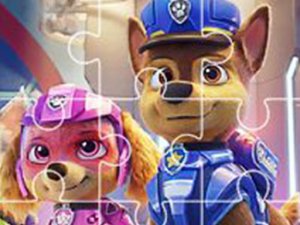
Paw Patrol Puzzle Adventure is a jigsaw-style game built around a single clear task: reassemble a scrambled picture. Each scene is split into multiple pieces that sit loose on the screen. The player selects a piece, drags it toward the puzzle board, and releases it. When a piece lands in the correct spot, it locks into the picture. The goal is to place every piece until the full image is visible. [IMG_1]
Scene Selection and Difficulty
The game presents a menu of colorful images drawn from the Paw Patrol series. After choosing one, the player works on that picture until it is complete. Difficulty can often be adjusted by picking a different number of pieces, so a younger child can start with a simpler layout while an older player can choose a more demanding split. This flexibility lets the same game suit a range of ages and puzzle experience levels. [IMG_2]
Built for Young Players
Controls are limited to dragging and dropping, which keeps the game approachable for children who are still learning to use a mouse or touchscreen. A hint option may be available when a player is unsure where a piece belongs. The artwork is bright and cheerful, matching the tone of the animated series. No downloads or installations are needed, and the game runs directly in a web browser on smartphones, tablets, and computers. [IMG_3]
What Players Take Away
Completing a puzzle requires scanning the image, comparing shapes and colors, and testing placements. That process supports hand-eye coordination and early problem-solving in a low-pressure setting. Finishing a picture may unlock new images, giving players a reason to continue. The overall experience is calm and positive rather than competitive, which makes it suitable for family play or independent sessions.




Editorial Notes