Island Puzzle Escape 3
Reviews
Island Puzzle Escape 3 delivers a relaxed escape experience built on mouse-driven exploration and hidden object challenges. Its strengths are the stress-free pacing, family-friendly design, and puzzles that reward careful observation rather than reflexes. The main limitation is that the input does not describe any hint system or difficulty options, so players who get stuck may need to rely on their own notes. It suits casual puzzle fans and younger players, but those seeking action or competition should look elsewhere.
Description
Exploring the Island Scene by Scene
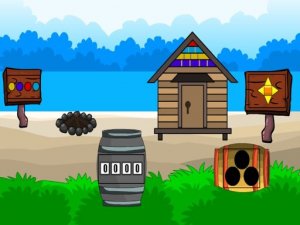
Island Puzzle Escape 3 places players on a peaceful island where the main goal is to earn freedom by working through a series of environmental puzzles. Each scene is a static view filled with clickable objects, some obvious and others tucked into the background. Progress depends on noticing what changes when you interact with something, and on remembering where you saw a clue that did not make sense yet. The island setting is not just decoration; it provides a consistent visual language of rocks, foliage, and shoreline details that you learn to read as you go.
Point-and-Click Interaction and Puzzle Logic
Control is limited to the mouse. Clicking on an object either triggers a direct response, adds the item to an inventory, or reveals a clue. Puzzles rarely require fast reflexes. Instead, they ask you to combine items, match symbols, or apply a sequence you discovered elsewhere in the scene. When a puzzle seems stuck, the solution is usually found by re-examining an area you already visited, because new details often appear only after a previous step is completed. This loop of observe, collect, and apply is the core of the experience.
Hidden Object Challenges and Observation
Finding hidden objects is a recurring task. Some items blend into the scenery through color or placement, so scanning methodically rather than clicking randomly saves time. The game rewards patience: a clue might be a faint marking on a wall, a shape in the sand, or an object that only becomes visible after another puzzle is solved. Because there is no timer, you can study each screen as long as you like. That design choice makes the game accessible to beginners while still offering enough layering for experienced puzzle players.
Pacing, Accessibility, and Who It Suits
Sessions can be short or long. The game does not push you forward with countdowns or fail states, so it works well for players who want a low-stress activity. The family-friendly content and intuitive interface mean younger players can join without needing complex instructions. If you prefer puzzles that test logic and observation rather than speed, this structure fits. If you need constant action or competitive pressure, the relaxed pace may feel too slow. The island atmosphere and charming visuals are consistent throughout, supporting the calm tone the game aims for.








Editorial Notes