Draw and Protect Stickman Puzzle
Reviews
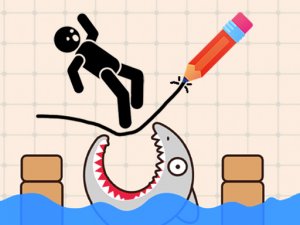
Draw and Protect Stickman Puzzle offers a fresh twist on the puzzle genre by making drawing the primary problem-solving tool. Its strength lies in the open-ended shield mechanic: any shape is allowed, so solutions feel personal and creative. The game is best suited to players who enjoy thoughtful, low-pressure challenges rather than fast reflexes. The main limitation is that success often comes through trial and error, which may not appeal to those seeking immediate clarity. Overall, it is a solid choice for families and casual players who want a mentally engaging activity.
Description
Core Drawing Mechanic
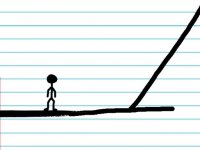
Draw and Protect Stickman Puzzle centers on a simple but flexible interaction: you draw a shield directly on the screen using a finger or mouse. The shape you create determines whether the stickman survives the level's hazards. Because the game accepts any drawn form, success depends on matching your shield's geometry to the incoming threat rather than memorizing a fixed solution.
Level Hazards and Observation
Each level introduces different dangers and traps aimed at the stickman. Before drawing, you need to study the environment to predict where the danger will come from and how it will move. This observation phase is as important as the drawing itself—a shield placed without understanding the threat's direction or timing often fails. The game rewards players who pause, analyze, and plan ahead.
Progression and Hints
Completing a level unlocks more puzzles, gradually introducing new scenarios that keep the gameplay fresh. If you get stuck, the game offers hints, but using them sparingly preserves the challenge. The hint system supports players who need a nudge without removing the satisfaction of solving a puzzle through their own reasoning.
Accessibility and Audience
Controls are intuitive enough for players of all ages, and the content is family-friendly. The combination of art and logic makes it suitable for children and adults alike. Rather than testing reflexes, the game tests planning, creativity, and spatial reasoning—qualities that appeal to anyone who enjoys thoughtful, low-pressure puzzle solving.



Editorial Notes