Chuggington Cargo Sorting Puzzle
Reviews
Chuggington Cargo Sorting Puzzle delivers exactly what its name suggests: a calm, accessible sorting activity for children. The mouse-only controls and clear visual cues make it easy for early learners to pick up, while the timer adds a light challenge that rewards accuracy over speed. The main limitation is its narrow scope—this is a matching exercise, not a deep adventure. Families looking for a constructive, train-themed game for young players will find it fits that need well.
Description
Matching Crates to Wagons
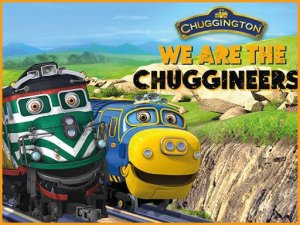
Chuggington Cargo Sorting Puzzle is a children's puzzle game set in the town of Chuggington. The cargo sorting machine has malfunctioned, scattering crates across the ground. Players assist Wilson and other train characters by picking up each crate and placing it into the wagon that shows the same symbol. A crate might display a blue square or a red triangle, and only the wagon with that exact label will accept it. The core task is straightforward: observe the crate's shape and color, then drag it to the correct wagon. Each successful match loads the train and moves the stage toward completion.
Time Pressure and Progress
A timer tracks how efficiently players sort. Green indicates a comfortable pace, while red signals that time is running short. Mistakes waste precious seconds, so accuracy matters as much as speed. Once a train is fully loaded, it departs and a new one arrives with fresh cargo. The game spans multiple stages, each introducing different wagons and shape combinations. This progression keeps the matching challenge from feeling repetitive, gradually asking players to recognize more symbols and work faster.
Designed for Young Players
Controls are limited to mouse clicks and drags, making the game accessible to children who are still developing fine motor skills. Bright, friendly graphics match the Chuggington theme and provide clear visual cues. The calm, constructive environment encourages careful observation rather than frantic clicking. By combining shape and color recognition with a familiar train setting, the game turns basic matching practice into an activity that feels like play. It is a gentle introduction to sorting tasks for early learners.









Editorial Notes