Letter Guess Puzzle Adventure
Reviews
Letter Guess Puzzle Adventure keeps its focus on one clear mechanic: guess letters to reveal a word before a drawing is finished. That simplicity is its main strength. The self-paced design and lack of required equipment make it easy to pick up across age groups. It works well as a light vocabulary and logic exercise, though players seeking complex progression or competitive depth may find it limited.
Description
The Core Guessing Mechanic
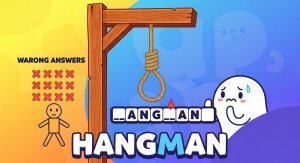
Each round in Letter Guess Puzzle Adventure presents a set of blank spaces that represent a hidden word. Players choose letters from the alphabet to fill those blanks. A correct pick reveals its position in the word, while a wrong pick adds a line or shape to a simple drawing. The round ends when the word is identified or the drawing is completed. This structure encourages players to think about common letter patterns and word structures before making a guess.
Self-Paced Play for Different Ages
The game requires no prior knowledge or special equipment, so new players can start immediately. Because there is no timer, players can take as long as they need to consider each letter choice. That makes it approachable for younger learners who are still building confidence with letters, and it also works as a light mental exercise for adults. The drawing provides a visual sense of progress without adding pressure.
Building Vocabulary and Deduction
Regular play naturally reinforces spelling and vocabulary. As players see words take shape, they begin to recognize common letter combinations and word endings. The process of elimination used when guessing letters also develops logical deduction. Over time, players become more efficient at identifying likely letters, turning each round into a small exercise in language analysis. This makes the game a practical tool for casual learning.
Flexible Solo and Group Play
Letter Guess Puzzle Adventure supports both solo and group play. In a group, participants can take turns guessing or work together to solve the word. The simple rules mean no lengthy instructions are needed, so it fits quick breaks or longer sessions. This flexibility helps the game work across generations and social settings.




Editorial Notes