Patchwork Solitaire Card Sort
Reviews
Patchwork Solitaire Card Sort stands out from typical solitaire games by using two decks and requiring both ascending and descending piles. The patchwork layout adds a spatial challenge that forces players to think ahead. The three difficulty modes make it accessible for beginners while still offering depth for experienced players. The clean interface and family-safe design make it a solid choice for puzzle fans.
Description
Layout and Sorting Mechanics
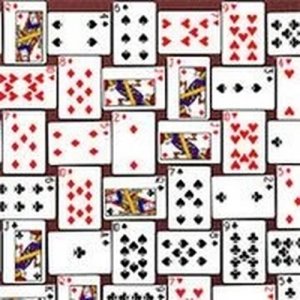
This puzzle presents a spread of cards arranged in a patchwork pattern across the left side of the screen. The goal is to move all cards into eight foundation piles on the right, grouped by suit. Four piles require ascending order from Ace to King, while the other four demand descending order from King to Ace. This dual sorting system forces players to think several steps ahead, as each card can only be placed in one of two possible sequences.
Move Rules and Accessibility
Only cards with a free short side—meaning no adjacent card covers that edge—can be moved. This rule creates a layered challenge where players must clear outer cards to reach those buried deeper in the layout. A waste pile offers temporary storage for cards that are one rank higher or lower than the top card there, helping to access blocked positions. Players can also draw from a deck to refresh the waste pile, adding another layer of decision-making.
Strategic Depth and Difficulty Options
The game includes three difficulty modes, each altering the initial card arrangement or the number of available moves. This allows both newcomers and experienced solitaire fans to find a suitable challenge. The undo feature costs points, encouraging players to plan rather than rely on trial and error. Over time, regular play helps build familiarity with the sorting system and improves efficiency in clearing the board.
Visual Design and Family Appeal
The interface uses a clean, uncluttered layout with clear card faces and distinct suit colors. The patchwork arrangement is visually engaging without being distracting. The game is designed for all ages, with no violent or inappropriate content. It offers a calm, focused experience suitable for short sessions or longer strategic play.