Crate Placement Logic Quest
Reviews
Crate Placement Logic Quest delivers a pure puzzle experience without any distracting elements. The level design is clever, with each stage introducing a new spatial challenge that feels fresh. The controls are tight, and the retry button encourages trial and error without penalty. The family-friendly art style and absence of violence make it a safe pick for younger players. While it may not offer the depth of some larger puzzle titles, its focus on logical progression and accessibility ensures it remains engaging for casual and dedicated puzzle fans alike.
Description
Core Puzzle Design
At its heart, Crate Placement Logic Quest is about moving objects to specific locations. Each stage presents a new arrangement of walls, obstacles, and empty spaces. Players must figure out the correct sequence of pushes to get every crate onto its target. The challenge comes from planning several moves ahead, as a wrong push can block progress. There are no time limits or random elements, so each puzzle is a pure test of logic and foresight.
Visual Style and Atmosphere
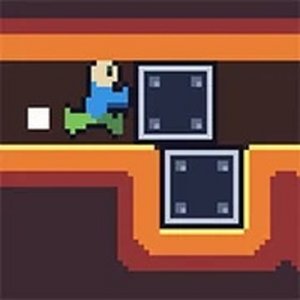
The game uses a cheerful, colorful art style that makes each stage feel inviting. Backgrounds feature gentle gradients and simple patterns, while the crates and characters are drawn with clean lines and bright hues. This visual approach keeps the screen uncluttered, helping players focus on the puzzle at hand. The overall look is friendly and suitable for players of any age, with no scary or intense imagery.
Controls and Accessibility
Movement is handled through keyboard arrows or a gamepad, with a dedicated button for jumping over low obstacles. The controls respond immediately, so every action feels precise. A retry option lets players reset a stage instantly if they get stuck, encouraging experimentation. The interface is straightforward, with a level select screen that shows progress and allows replaying favorite puzzles. This design makes the game easy to pick up for short sessions or extended play.
Progression and Difficulty Curve
The puzzles start with simple layouts that teach basic crate-moving techniques. As players advance, new elements like narrow corridors and multiple crates appear, requiring more complex strategies. The difficulty increases gradually, so each new stage feels like a natural next step rather than a sudden jump. This steady progression keeps the experience rewarding without becoming frustrating. Players can always revisit earlier levels to practice or try alternative solutions.
Family-Friendly Focus
Crate Placement Logic Quest is built around non-violent, constructive play. There are no enemies, weapons, or competitive elements. The only goal is to solve each puzzle through careful thought. This makes the game an excellent choice for parents looking for screen time that encourages cognitive development. It also works well for cooperative play, where family members can discuss strategies and solve puzzles together.