Wave Runner Speed Challenge
Reviews
Wave Runner Speed Challenge works best for players who enjoy quick, reflex-driven arcade games with a strategic positioning layer. The wave-reading mechanic and risk-reward overtaking give each run a clear decision loop, while visual unlocks provide light progression. The simple controls and browser format make it easy to start, though the depth comes from timing and awareness rather than complex systems. It is a focused, accessible speed game rather than a simulation.
Description
Reading the Water Surface
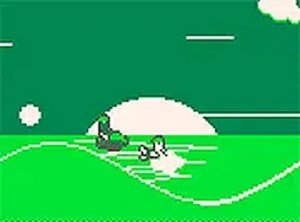
In Wave Runner Speed Challenge, you control a water scooter across a field of shifting wave patterns. The central task is reading the water ahead and choosing when to accelerate or lift off. Each wave crest is a chance to improve your position relative to other riders. The scooter reacts differently depending on wave angle and speed, so consistent success depends on anticipating the rhythm of the water rather than reacting late.
Competitive Positioning and Risk
Managing your placement among other participants is as important as raw speed. Timing your movements correctly lets you move above nearby riders and earn additional points. Staying too close to others, however, risks losing balance. This creates a constant push and pull between aggressive positioning and cautious navigation. You decide when to take chances and when to hold back, which adds a layer of strategy to each run.
Visual Feedback and Progression
Bright, clear graphics change when contact occurs, giving immediate feedback on your actions. As you accumulate points through consistent performance, new color schemes and patterns become available for your scooter. These visual upgrades reward improving skills and provide a sense of personalization. The interface stays clean and uncluttered, keeping attention on the action.
Controls and Accessibility
Wave Runner Speed Challenge runs directly in a desktop web browser with no downloads or installations. Controls are simple and intuitive, using either keyboard or mouse inputs. This makes the game approachable for younger players while still offering enough depth for experienced gamers. Playing in full screen mode is recommended for the most immersive experience, allowing you to see the full wave field clearly.
Building Reflexes and Awareness
Regular play helps sharpen timing and spatial awareness. The game gradually introduces more skilled opponents, requiring you to adapt your strategies. Observing how other riders move can teach you new approaches to wave navigation. Over time, you develop a better feel for when to push forward and when to hold your position. This learning curve keeps the experience engaging without becoming frustrating.







Editorial Notes